
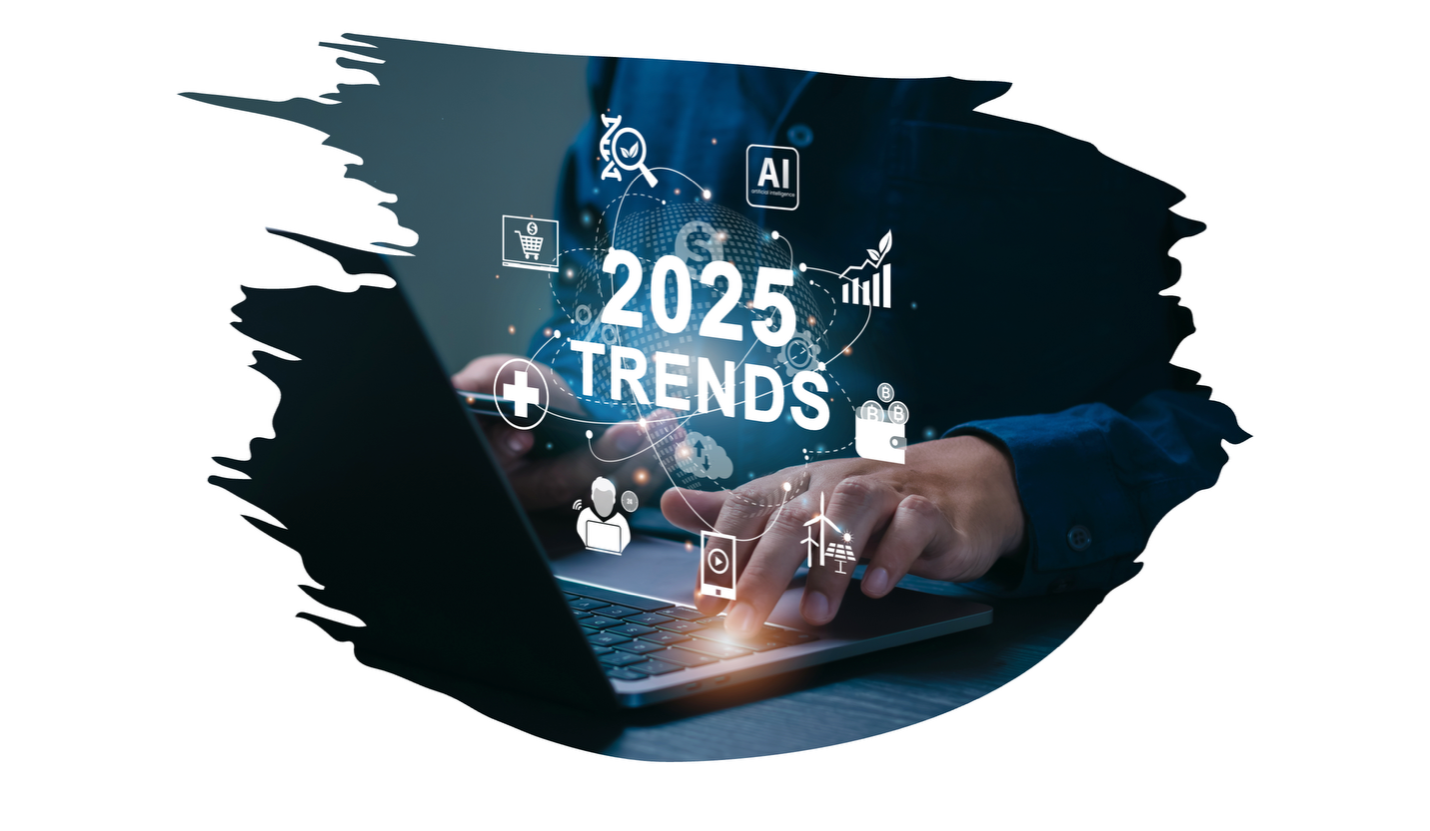
2025 has underscored a critical reality: many media organizations are still operating on legacy or in-house systems that are neither future-proof nor agile enough to meet today’s demands. These outdated architectures create friction, limit scalability, and slow innovation. This year marked a decisive shift toward modernization, embracing operational efficiency, AI-driven orchestration and flexible, cloud-native infrastructures. At the heart of this transformation lies a clear mission: enabling creativity and delivering frictionless experiences to audiences.
Furthermore, media companies are discovering that the cloud itself is not a strategy. Companies are paying closer attention to cloud costs, operational benefits, and tangible return on investment. It is becoming increasingly clear that hybrid models play a vital role in balancing flexibility and cost.
Key Themes That Defined 2025
Modernization of Legacy Systems
The urgency to replace rigid, monolithic platforms has never been greater. Media companies are moving toward modular, cloud-native hybrid architectures that support integration and scalability. This isn’t just about technology, it’s about future-proofing operations and unlocking agility for rapid change.
AI Beyond Automation
AI is evolving from a supporting tool into the backbone of media workflows. From encoding and QC to orchestration and monetization, it is being industrialized to deliver scale and efficiency. There is growing interest in AI-native operations, where automation removes friction and empowers creative teams rather than replacing them. The next frontier appears to be agentic AI systems, designed to take this empowerment to a new level.
The Emergence of Next-Generation MAMs
Traditional Media Asset Management systems are being redefined. Next-generation MAMs are no longer passive repositories but intelligent, content-centric platforms that actively drive business growth for broadcasters and media companies. Powered by AI-driven semantic search, automated metadata enrichment, and contextual understanding of content, these platforms dramatically improve content discoverability and reuse. At the same time, they enable seamless, multi-platform delivery across broadcast, streaming, FAST, social, and emerging channels from a single source of truth. By breaking away from siloed, linear workflows, next-generation MAMs transform content into a dynamic, monetizable asset—supporting faster time to market, smarter distribution strategies, and greater return on content investment.
Composable Architectures
The shift to online-first, composable infrastructures is accelerating. Organizations are embracing microservices and containerized environments to ensure flexibility and resilience. This architectural transformation is key to supporting hybrid workflows and global collaboration. Together, composable UX/UI and no-code technologies bridge the gap between business strategy and technical execution, ensuring that digital experiences can evolve in direct alignment with organizational goals.
Content-Centric Strategies
Technology now serves creativity. Media companies are rethinking supply chains to prioritize content dissemination and audience engagement. The rise of streaming and social platforms has made differentiation and authenticity essential, reinforcing the need for tools that simplify complexity without compromising quality.
Collaboration and Integration
Partnerships, whether with suppliers or among technology providers, are becoming strategic imperatives. The old “build vs buy” model is giving way to “build with,” enabling faster innovation and the creation of shared value. M&E organizations are analyzing collaboration and integration experiences in other IT vertical markets. They are looking at the interoperability and scalability offered by integration Platforms as a Service (iPaaS), which has displaced most traditional integration and orchestration systems.
Looking Ahead to 2026 and Beyond
Operating with legacy or in-house systems means being unprepared for the future and lacking the agility to meet current demands. We are in the era of AI and no-code technologies, which facilitate greater agility in digital transformation, optimize and streamline the media supply chain, and accelerate the creation of new businesses.
Media companies need a clear business strategy for social media because they are missing out on a consolidated revenue stream. A social media focused approach allows operators to directly manage their inventory on the platforms within the context of rights enforcement and ensure compliance with takedown requests.
As we move into 2026, these themes align perfectly with Tedial’s vision and technology roadmap. Our solutions are open, modular, and AI-ready, empowering media companies to streamline operations, integrate seamlessly, and unlock new creative and monetization opportunities. We’re excited about what’s next as we continue collaborating with customers and prospects on groundbreaking projects that will redefine media management.
For more information, contact marketing@tedial.com
About Tedial
Tedial is a global innovation-focused tech company leading next-generation media asset management (MAM) with the first no-code media integration platform (smartWork), designed to accelerate digital transformation, upgrade your business, scale your media supply chain, and focus on intelligent, resilient, cloud-smart hybrid media solutions.